Page 10 / Figure 5A
Objects and attributes
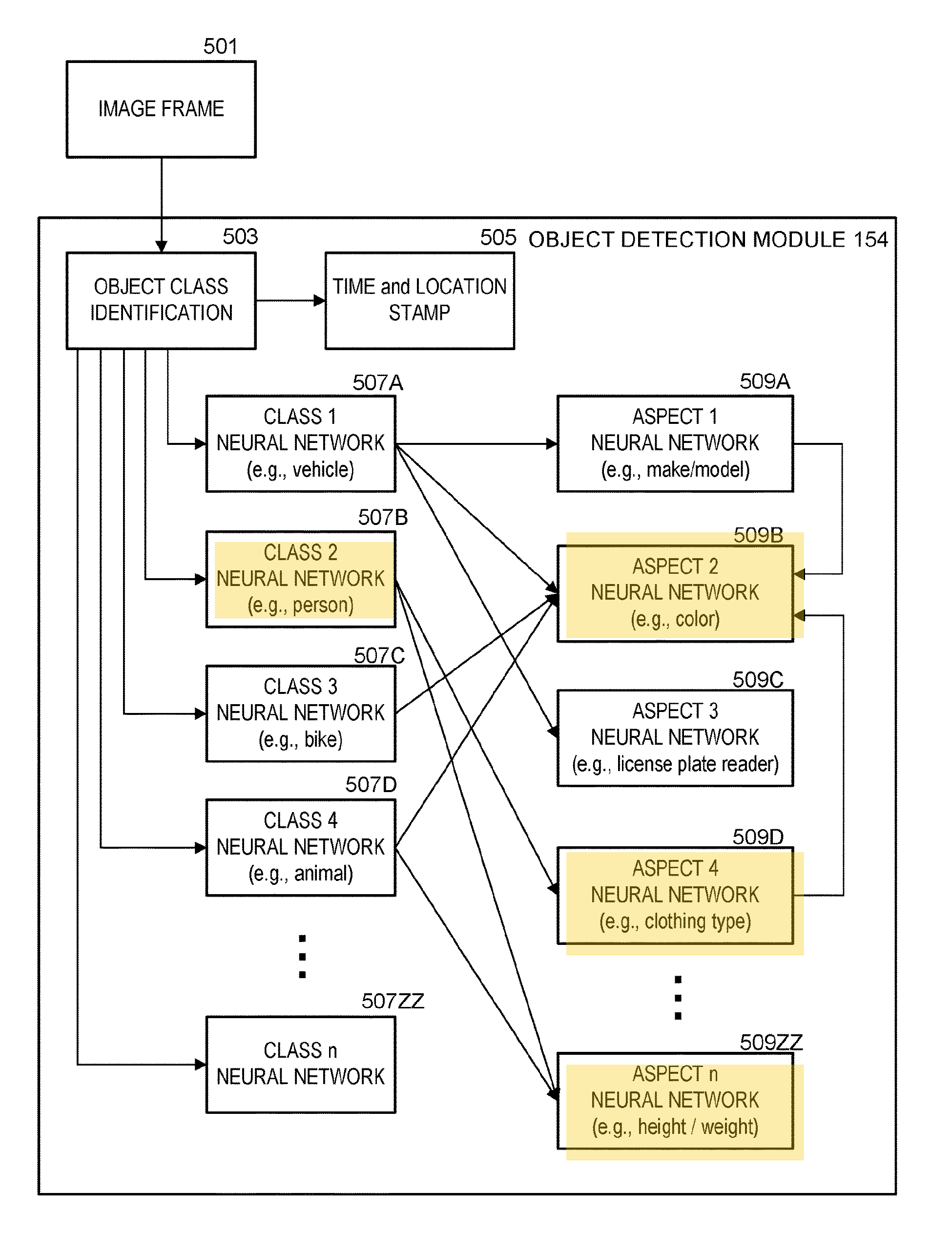
This diagram shows the system analyzing objects, including people, and assigning attributes that can be stored and searched.
Evidence, not speculation
The concern is not abstract. Flock's own patent describes more than plate reading, a Casa Grande email lists camera monitoring of a student protest at City Hall, the public-facing policy appears to conflict with local reporting about traffic-enforcement use, and the released audit logs do not let residents meaningfully verify police use.
What is wrong?
Patent
Flock's own patent describes video analysis that can identify people, objects, attributes, locations, and searchable records.
Protest monitoring
The January 30, 2026 email also describes locating individuals, identifying involved parties, and identifying theft suspects, despite public assurances that the system tracks vehicles rather than people.
Traffic enforcement
Casa Grande links residents to a Flock transparency page saying the system will not be used for traffic enforcement, while local reporting describes CGPD using Safe City data during a traffic-enforcement detail.
Audit logs
The released logs are heavily redacted and contain missing, generic, or placeholder reasons and case numbers that make public review difficult.
Evidence 1 / Patent scope
The patent describes identifying people and objects, classifying attributes, storing video records with time and location, and searching those records by object and attribute data.
Why the patent matters
Companies patent technology to protect intellectual property they are using, building, or preparing to commercialize. A patent is not proof that every feature is active in Casa Grande today, but residents should treat these capabilities as real product direction, not speculation. With AI moving quickly across industries, this technology may already be in use elsewhere or close to deployment.
Patent excerpts are used here for public-interest commentary and source attribution. The full patent record is linked so readers can review the source.
Page 10 / Figure 5A
This diagram shows the system analyzing objects, including people, and assigning attributes that can be stored and searched.
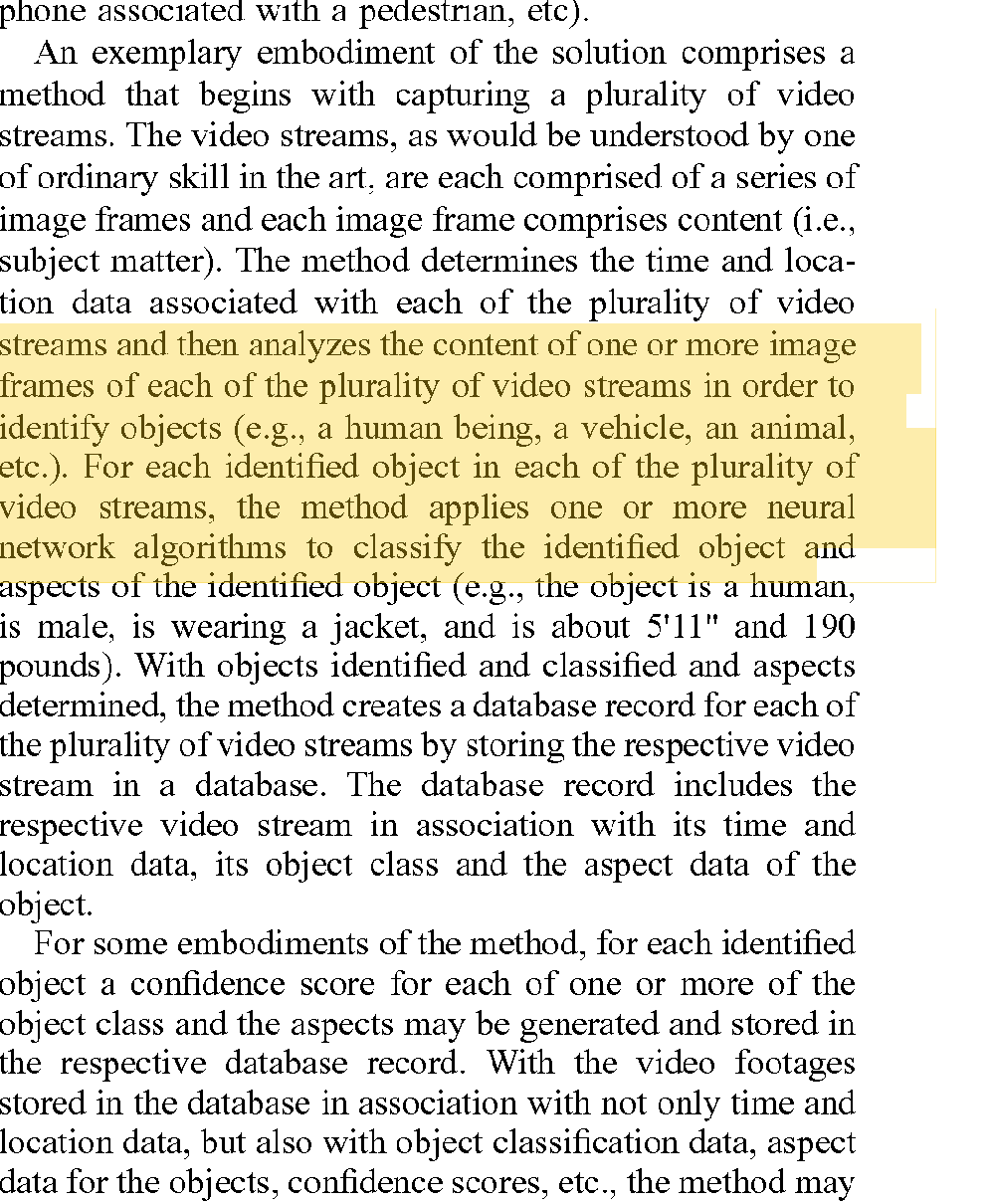
Page 16
The patent describes analyzing video to identify people and objects, not just vehicles.
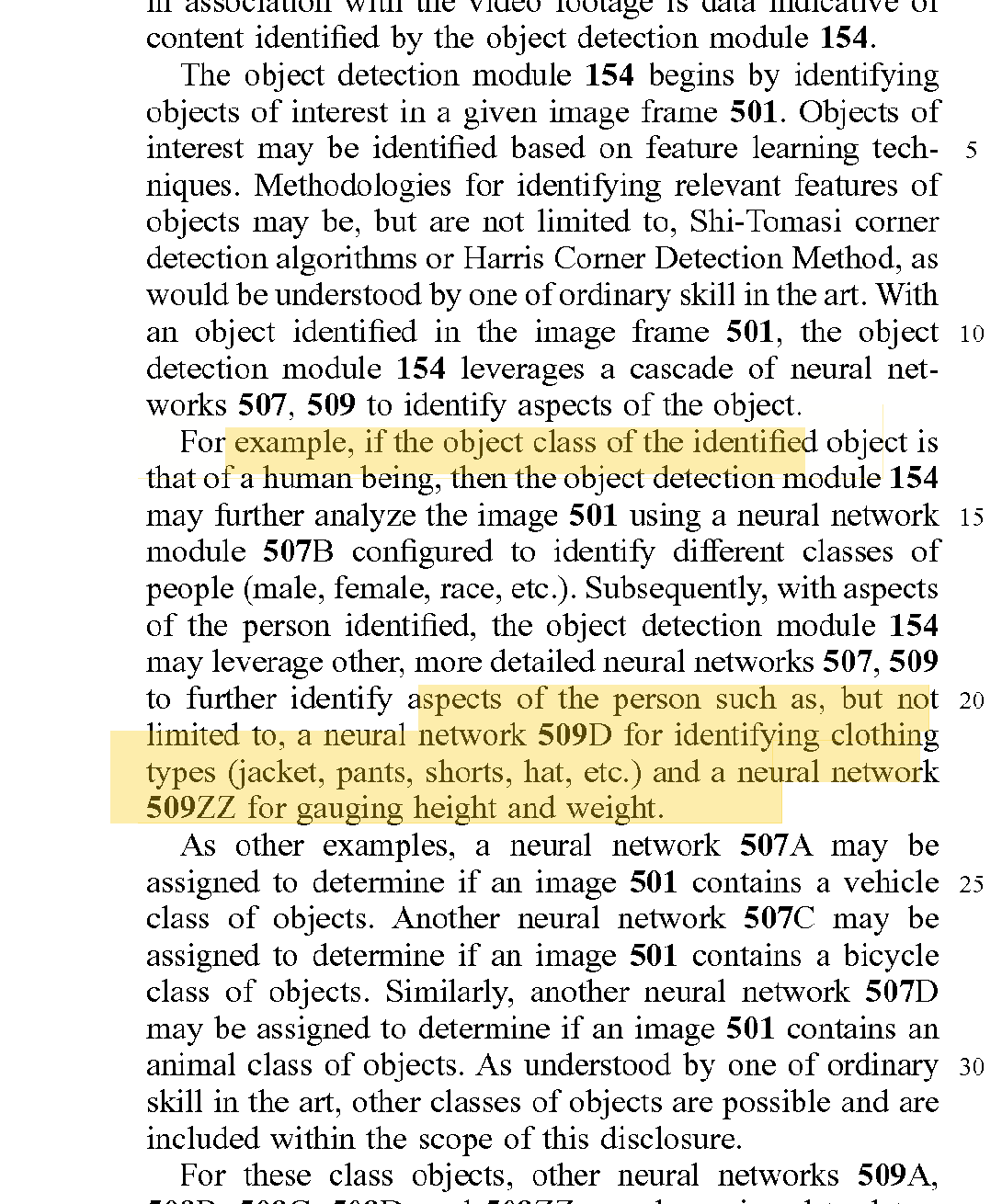
Page 25
The patent describes classifying people by sex, race, clothing, and physical characteristics.
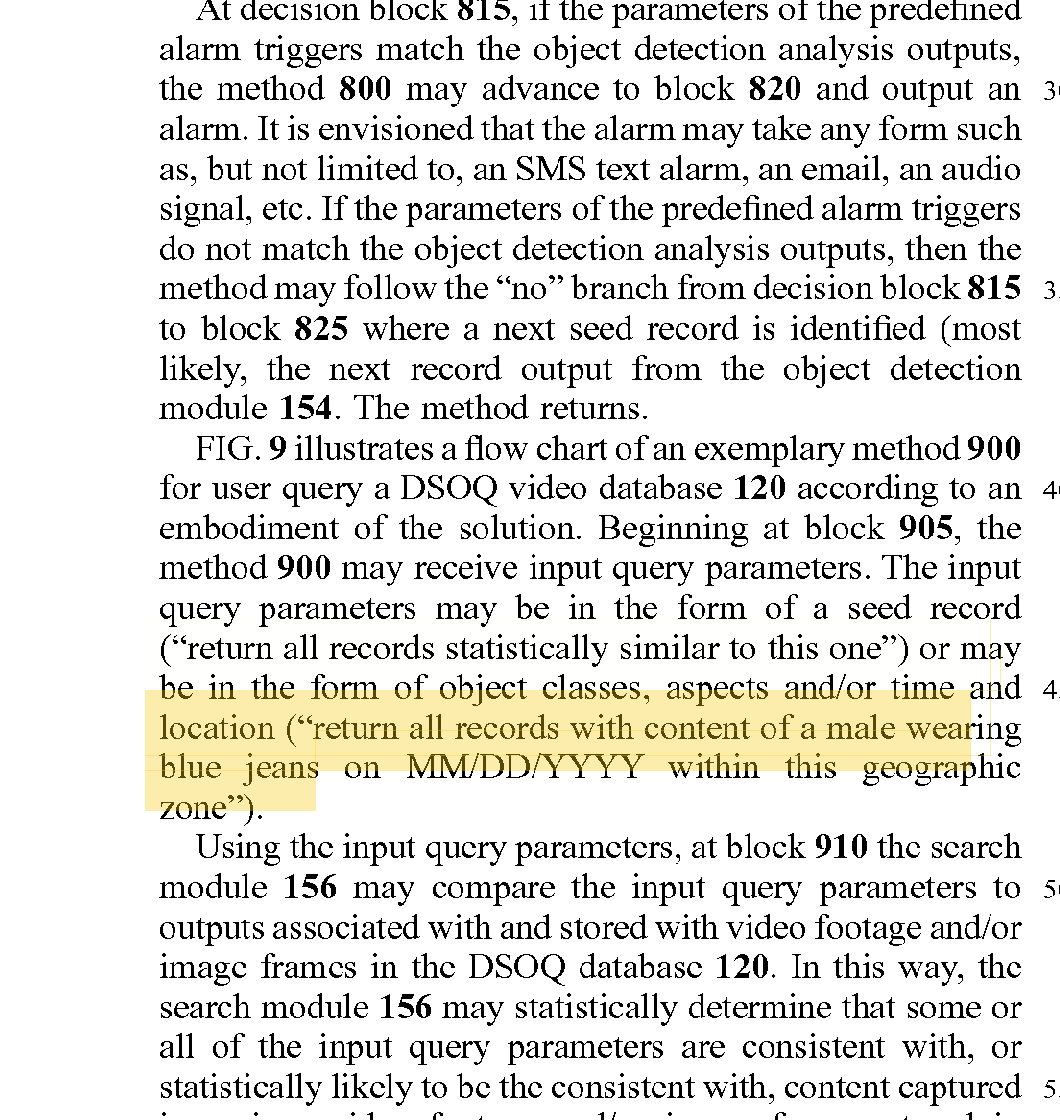
Page 27
This shows the system can search video for specific types of people based on attributes and location.
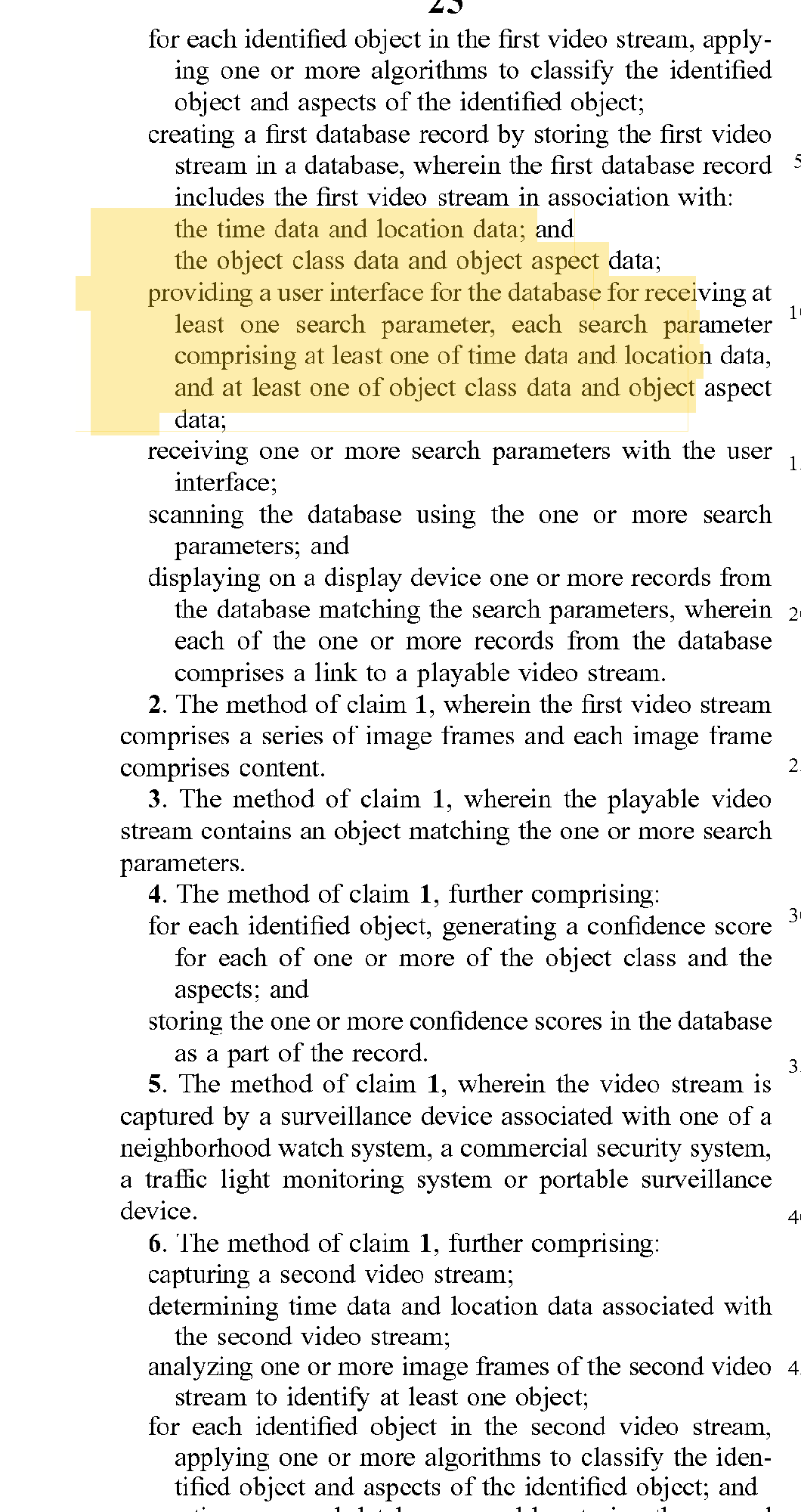
Page 28
The system stores and allows searching of video based on attributes, not just time and location.
Evidence 2 / Protest monitoring
Casa Grande points residents to public assurances that Flock tracks vehicles, not people, and is not used to track individuals. Yet the January 30, 2026 police email lists “Monitoring of a student protest at City Hall” among its notable wins from the past ten days.
Monitoring a peaceful protest is precisely the kind of protected activity those assurances are meant to rule out — here it is logged as a success. The same email counts tracking people as more wins: locating specific individuals, identifying “involved parties,” and “monitor[ing] activity” before patrol arrived. Officials say the system does not track individuals while celebrating exactly that, which is why residents need enforceable rules that address people and protest activity, not just vehicle plates.
Email excerpts are shown for public-interest commentary and source attribution. The full email PDF is linked so readers can review the complete record in context.
Evidence 3 / Traffic enforcement
The Casa Grande city website links to the Flock transparency portal, where the public-facing policy says Flock will not be used for traffic enforcement.
PinalCentral reported that CGPD used Safe City real-time data from cameras and drones during a two-day traffic enforcement detail that resulted in more than 60 arrests and citations.

Evidence 4 / Audit logs
Casa Grande residents were told audit logs would make Flock use reviewable. The released logs make that promise hard to verify.
Audit trail promise
“Anybody wants to question who's looking at what. We have an audit trail. This system has an audit trail and they have to have a case number to look at it.”
That promise is exactly why the released records matter. When the audit trail was requested, the city redacted all license plate numbers, stating it was for privacy. Without license plate data, the public cannot tell whether searches matched a real case number, official police need, or policy limits. It makes it impossible for residents to know from the released records whether the system is being misused.
Source: Police chief audit trail statementWhat the released logs show
The city released audit logs with license plate information redacted, which prevents residents from checking whether a search matched a specific incident, complaint, or official need.
The logs include entries with missing case numbers, “none,” placeholder-looking values like “2025- 00000000,” and generic reasons that do not let the public verify official police business.
Entries include reasons such as “missing,” “investigation,” numeric shorthand, or broad categories that do not explain why the search was necessary.
The logs include searches across hundreds of networks and thousands of devices, which makes strict case numbers and specific reasons even more important.
The January 2026 audit includes entries labeled “Traffic Infraction - Suspicious Activity” with case number “none,” which in our view reinforces the concern that the public policy and recorded use do not clearly match.
Source documents
These are the records residents are supposed to use to hold the system accountable. They should show who searched, why, and whether the search was tied to official police business.
Linked audit-log PDFs are presented as source records released for public review. Readers should check the records directly and report any correction request to [email protected].
Bottom line
The evidence supports warrants where appropriate, stronger retention and sharing limits, independent audits, public reporting, and real consequences for misuse.